Lucky Block Race Guides & Strategy Map
From first join to consistent wins -- every Lucky Block Race tutorial on this wiki, cross-linked for quick routing.
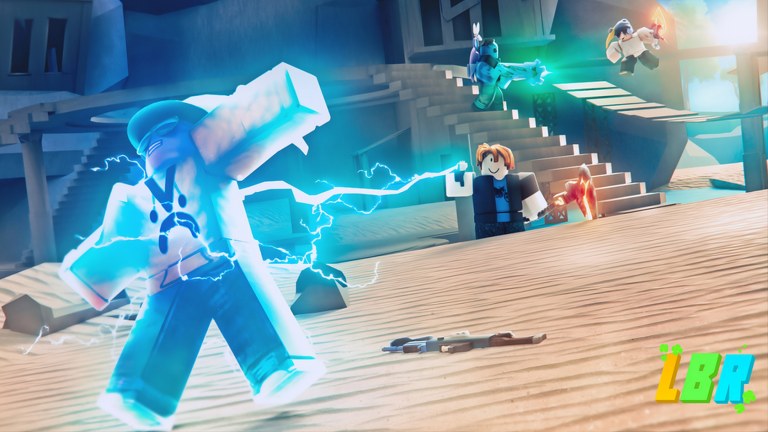
Welcome to the Guides Hub for Lucky Block Race, the Roblox action battleground from group Lucky Race. Matches are simple to explain and hard to master: open as many lucky blocks as you can before the timer expires, accept the mix of weapons, events, and structures you rolled, then fight in 1v1, 2v2, or FFA until one side remains. Wins pay gems, and gems unlock lucky block and pickaxe skins you can flex in the lobby.
This hub is the table of contents for skill pages. Read top to bottom if you are brand new, or jump straight to the phase that loses you the most rounds.
Start here
- Getting Started — first-session checklist, graphics tip, maturity notes, and how a full round feels end to end. Featured for new players.
- Lucky Block Phase — pathing, greed vs safety, reading boost versus ruin outcomes while the timer ticks.
- How to Win — fight-phase habits for each mode, using imperfect loot, and closing rounds cleanly.
- Gems and Skins — economy loop, what cosmetics mean, and why win rate beats idle grinding.
- Graphics Settings — dial clarity so blocks, structures, and silhouettes stay readable mid-chaos.
- Structures and Events — how boost versus ruin spawns change routes and fight geometry.
- Team Play — 2v2 habits, silent defaults, and stacking without voice chat.
Pair guides with systems pages
Guides teach decisions; hubs teach catalogs:
- Study drop value on the Tier List Hub and the detailed weapons list.
- Learn inputs on Controls and mode identity on Modes.
- Collect freebie letter badges on Badges while you play normally.
- Check Codes only for verified promos — none are confirmed as of November 2026.
- Skip shady automation; read the Scripts Hub safety overview instead.
- Track live changes via Updates and patch notes.
- Keep the Official Links page handy for the Roblox place and group.
How a skill curve usually looks
Hour one: Survive the open phase without standing still, finish a few fights, and understand that bad rolls are normal. The getting-started guide covers this onboarding.
Hours two to five: You start routing blocks with intent, recognizing traps early, and picking fights you can win with B-tier loot. Lucky-block-phase, structures-and-events, and how-to-win pages matter most here.
Ongoing: You grind gems for skins while refining mode-specific habits — patience in 1v1, coordination cues in 2v2 via team-play, third-party timing in FFA. Economy and modes pages keep that grind purposeful. Revisit graphics settings whenever fights feel muddy.
Writing quality standards on this wiki
Every guide aims for practical depth: affirmative language, concrete priorities, and internal links with clear anchor text. We do not invent YouTube IDs, fake codes, or script pastebins. When information is unknown — exact drop tables, unreleased modes — we say so and teach adaptable principles instead.
Suggested reading order for competitive players
- Getting Started
- Graphics Settings then Controls
- Lucky Block Phase and Structures and Events
- Tier List then Weapons
- Modes then How to Win and Team Play
- Gems and Skins plus Badges
- Patch Notes after every UPD banner
Related hubs
Browse Players for roster-style overviews of inputs, formats, and badges, and Updates whenever the experience ships new blocks or balance tweaks. Favorites sit around a few thousand and visits near 472K — the meta still moves, so revisit this hub after major patches.
Play fair, open smart, fight harder. The guides below exist to make that loop click faster.
Frequently Asked Questions
Quick answers about Lucky Block Race codes, modes, and gems.
Which guide should I read first?
Start with Getting Started, then Lucky Block Phase and How to Win. Add Gems and Skins once you care about cosmetics.
Do these guides assume perfect luck?
No. They teach decisions with average and bad rolls, because Lucky Block Race is built on RNG plus skill.
Are there video walkthroughs embedded?
This wiki only embeds verified YouTube IDs. When none are confirmed for a topic, we omit videos rather than invent links.
How often are guides updated?
After meaningful patches noted on the Updates Hub. Core loop advice stays stable; tier references get refreshed first.
Where do I go for codes or scripts?
Use the Codes Hub for promo status and the Scripts Hub for safety guidance -- not for fake generators or loadstrings.